The Hard Truth About Card Investing
Trading cards can be lucrative investments. A LeBron James Exquisite RPA sold for $5.2 million. Victor Wembanyama Prizm Silvers have appreciated 500%+ since release. These headlines are exciting - but they hide a darker reality.
For every collector who struck gold, dozens lost money. The card market is volatile, unpredictable, and unregulated. Before you invest your hard-earned money, you need to understand what can go wrong.
Risk #1: Market Volatility
Card values swing wildly based on sentiment, not fundamentals. During the 2020-2021 boom, prices skyrocketed:
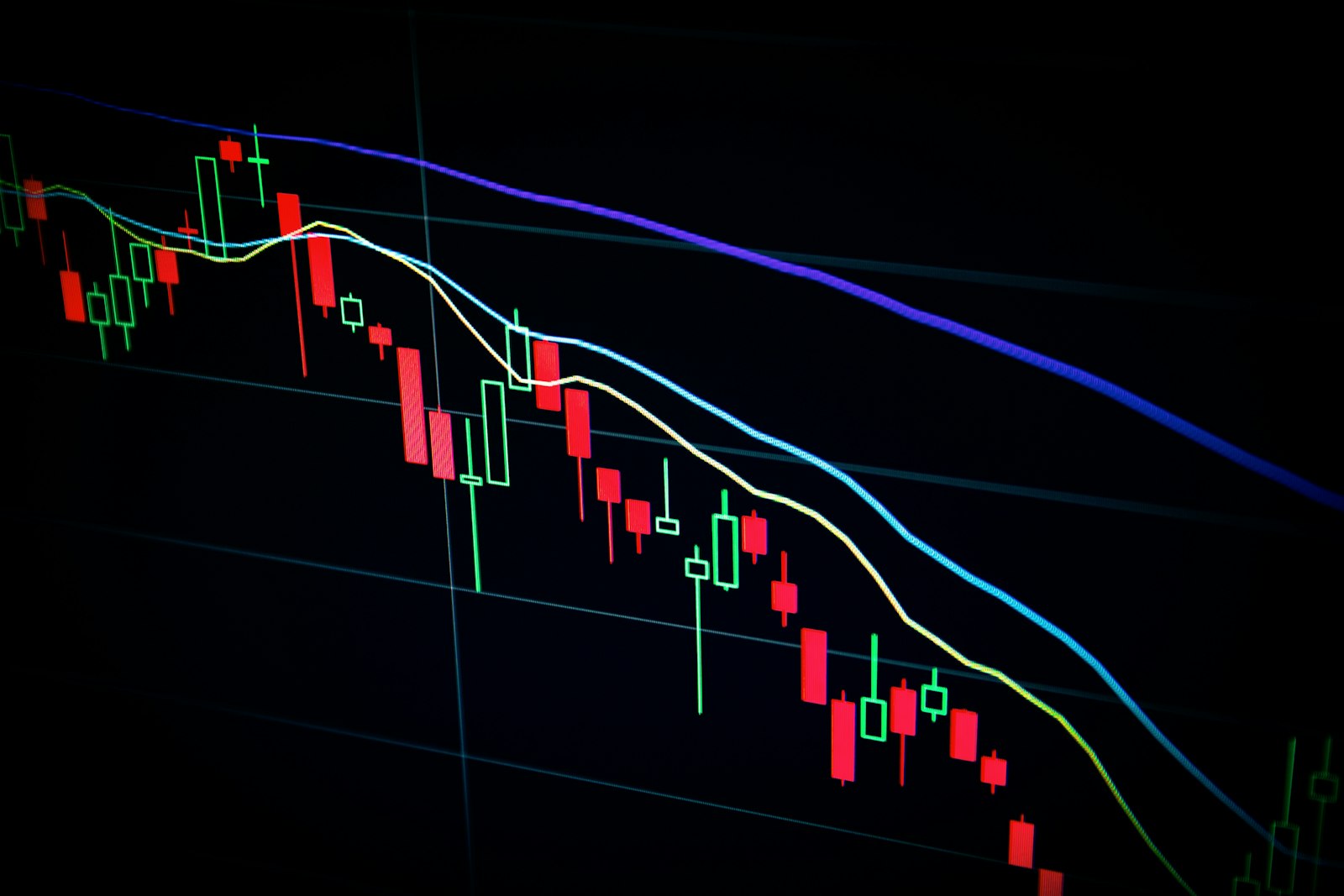
The market crashed 50-70% from 2021 peaks. Many investors who bought at the top are still underwater years later.
Key Lesson: Never buy during peak hype. Markets always correct.
Risk #2: Player Performance Decline
Card values are tied directly to player performance. One injury can destroy your investment:
Case Study: Zion Williamson
Case Study: Ben Simmons
Player careers are unpredictable. Injuries, off-court issues, or simply failing to develop can devastate card values.
Risk #3: Oversupply and Print Runs
Modern cards are printed in massive quantities compared to vintage. Panini produces millions of Prizm cards each year. This oversupply means:
The Vintage Advantage: 1986 Fleer Jordan PSA 10 has only ~319 copies. 2020 Prizm LeBron has tens of thousands.
Risk #4: Authentication and Fraud
The card market is plagued by counterfeits, trimmed cards, and fraudulent sellers:
Always buy from reputable sellers, verify grading case numbers, and learn authentication basics.
Risk #5: Economic Sensitivity
Trading cards are discretionary luxury items. During economic downturns:
The 2022 correction coincided with rising interest rates and inflation concerns. When money is tight, cards are among the first assets people sell.
Risk #6: Platform Dependency
Most card sales happen on eBay, which can:
Alternative platforms (COMC, MySlabs, StockX) have their own risks and fees.
Risk #7: Liquidity Challenges
Unlike stocks, you can't instantly sell cards at market price:
Risk #8: Storage and Insurance
Physical cards require proper storage and are vulnerable to:
Insurance for collectibles is expensive and often has coverage gaps.
Smart Risk Management Strategies
If you still want to invest in cards, follow these principles:
The Reality Check
Treating cards purely as investments is risky. Most cards will not appreciate. Many will lose value. The collectors who succeed long-term are those who:
If you're looking for reliable returns, index funds outperform trading cards over time. If you love basketball and enjoy collecting, cards can be a rewarding hobby that occasionally produces investment gains.
Choose wisely.